
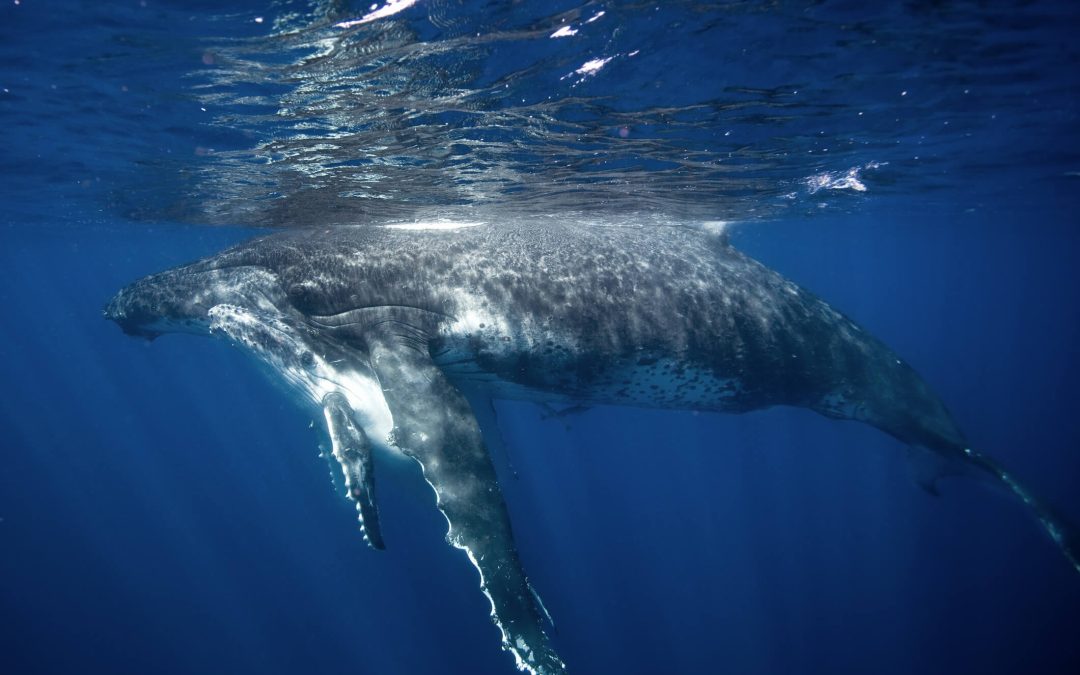
The honest answer to “when should I go?” is that Dana Point has whales and dolphins in the water every month of the year. What changes is which animals you are most likely to see, and that is the real question to answer before you book. Someone hoping for a gray whale mother and calf needs a different month than someone hoping for a blue whale, and both are worth planning around.
This guide is organized by what you want to see instead of by calendar month, so you can pick your window first and your trip second. At Pacific Whale Tours Dana Point, we run private trips from Dana Point Harbor all year, and the timing questions below are the ones guests ask us most.
Whale and Dolphin Seasons at a Glance
| What You Want to See | Best Window | Notes |
|---|---|---|
| Gray whales | December to April | Migrating past the coast; mothers and calves head north in late winter and early spring |
| Blue whales | Roughly May to November | Summer and early fall are the most reliable stretch |
| Humpback whales | Spring through fall | Known for breaching and fin slaps |
| Fin and minke whales | Year-round | Sightings vary by week |
| Dolphins | Year-round | Common, bottlenose, and Risso’s dolphins are regular visitors |
Treat these windows as tendencies, not guarantees. Wildlife follows food and water conditions, so a species can show up early, linger late, or skip a week entirely.
If You Want Gray Whales: December to April
Winter is gray whale season. These whales travel between Arctic feeding grounds and the warm lagoons of Baja California, and their route passes right along the Dana Point coastline. Southbound whales come through from December into January, and mothers with newborn calves head back north from February into spring. Because they hug the shoreline, gray whales are one of the most accessible sightings of the year. We cover the phases of the migration in detail in our guide to gray whale migration in Dana Point.
If You Want Blue Whales: Summer and Early Fall
Blue whales are the largest animals ever known to have lived, and they visit Southern California waters to feed on krill. According to the World Cetacean Alliance, whale watchers in Dana Point can encounter them between May and November. Peak reliability tends to fall in the middle of that range, so summer and early fall are the smart bet if a blue whale is at the top of your list. These whales often feed farther offshore than migrating grays, so a longer trip can improve your odds.
If You Want Acrobatics: Humpback Season
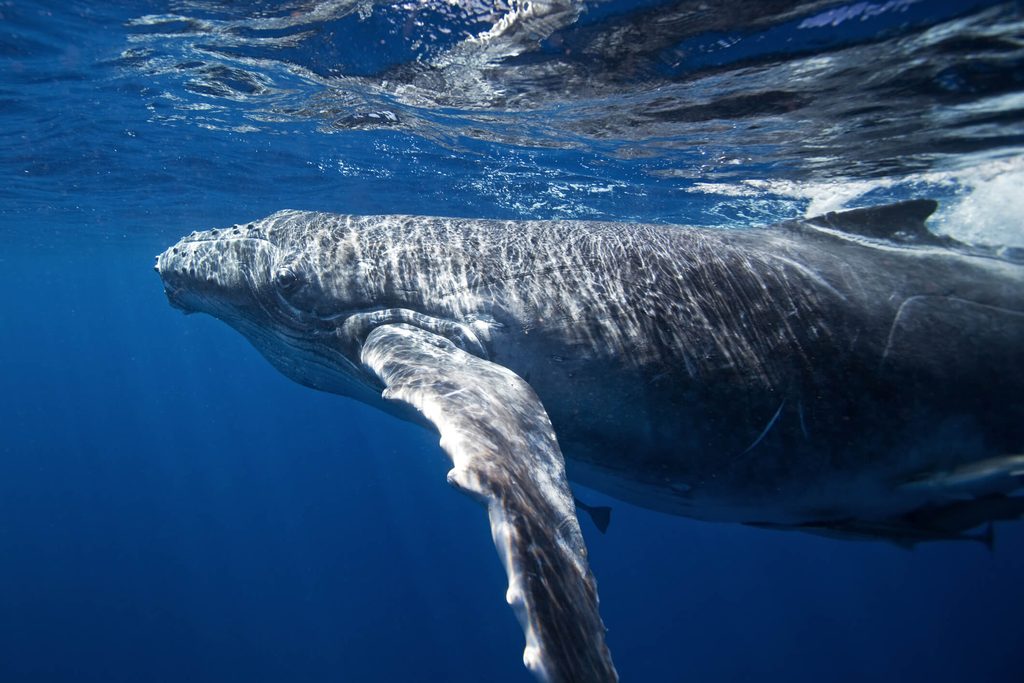
Humpbacks are the showmen of the group, famous for breaching, tail slaps, and pectoral fin displays. You can usually see them from spring through fall, and they sometimes overlap with blue whales in the same waters. If you want a chance at active, surface-level behavior, this is the window to aim for.
If You Want Guaranteed Action: Dolphins Every Month
Dolphins are the reason no month is a bad month for a trip. Common dolphins travel in very large groups, and bottlenose and Risso’s dolphins are regular sights year-round. Pacific white-sided dolphins are seen more often between October and June. If you are traveling with kids or a group that wants consistent activity regardless of the calendar, dolphins are your safety net.
What About Time of Day?
Morning departures are widely favored for whale watching because the water is often calmer earlier in the day, which makes spotting spouts and fins easier and the ride more comfortable. Afternoon and sunset trips have their own appeal, especially for the light and the atmosphere, so the right choice depends on whether your priority is conditions or scenery. Whichever you choose, dress for the open water; our guide on what to wear on a whale watching tour in Dana Point covers layers, footwear, and sun protection.
Why a Private Tour Helps With Timing
Marine wildlife does not keep a schedule, so flexibility matters. A small private charter gives you more say in when you go and how long you stay out, which lets you build the trip around the species you care about instead of a fixed public departure. If you are comparing private whale watching tours, ask about the trip length that fits your target species: shorter trips work well for nearshore gray whales and dolphins, while longer trips give the captain more range for offshore blue whales.
Ready to Plan Your Whale Watching Trip?
Whether you are chasing gray whales in winter, blue whales in summer, or dolphins any day of the year, the right timing makes the trip. Pacific Whale Tours Dana Point can help you choose the season and trip length that best match what you want to see. Reach out to the captain to talk through your dates and build a private trip around them.
Frequently Asked Questions
What is the best month for whale watching in Dana Point?
It depends on what you want to see. December through April is best for gray whales, while summer and early fall are the strongest stretch for blue whales. Dolphins are present in every month, so there is always something to see.
Can you go whale watching in Dana Point year-round?
Yes. Whales and dolphins are in the area throughout the year, though the species mix changes with the seasons. Fin whales, minke whales, and several dolphin species are seen in every season.
When is blue whale season in Dana Point?
Blue whales are generally seen from about May through November, with summer and early fall being the most dependable window for sightings.
Is winter or summer better for whale watching in Dana Point?
Neither is universally better. Winter is the time for the gray whale migration, and summer is the time for blue whales, so choose the season that matches the animal you most want to see.
What time of day is best for whale watching?
Mornings are commonly preferred because the water tends to be calmer, which helps with spotting wildlife and with comfort. Afternoon and sunset trips are a good choice if you value scenery and lighting over the calmest conditions.