
Most people think of Catalina Island as a place you travel to. On a whale watching trip, it works better as a direction you travel toward. The island is the destination on the map; the water between here and there is where the wildlife is.
That shift in thinking changes what a Catalina trip is for. This guide covers what the crossing offers, which seasons suit it best, who it fits, and how a private trip differs from the large public cruises that dominate search results.
Why the Crossing Is the Point
A standard coastal trip works the water close to the harbor. A Catalina trip gives the captain far more room: open channel, deeper water, and a much wider range of places an animal might be on a given day. Whales and dolphins do not follow a posted schedule, so range matters. The farther a boat can cover, the more chances it has to follow signs of life, like birds working a patch of water, a distant spout, or a surface that looks different from the water around it.
Dana Point is unusual in how quickly deep water arrives, which is part of why a longer trip out here can feel so different from the shorter outings near the coast. The crossing is also a quieter, wilder stretch than the coastline, with fewer boats and more open horizon.
What You Can See Out There
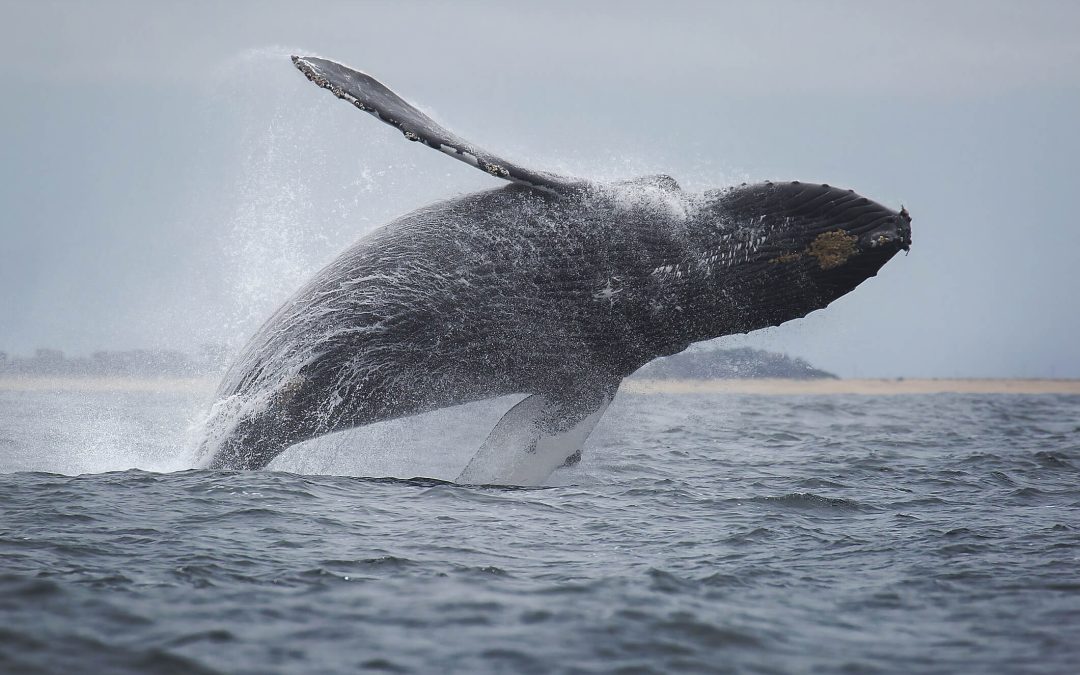
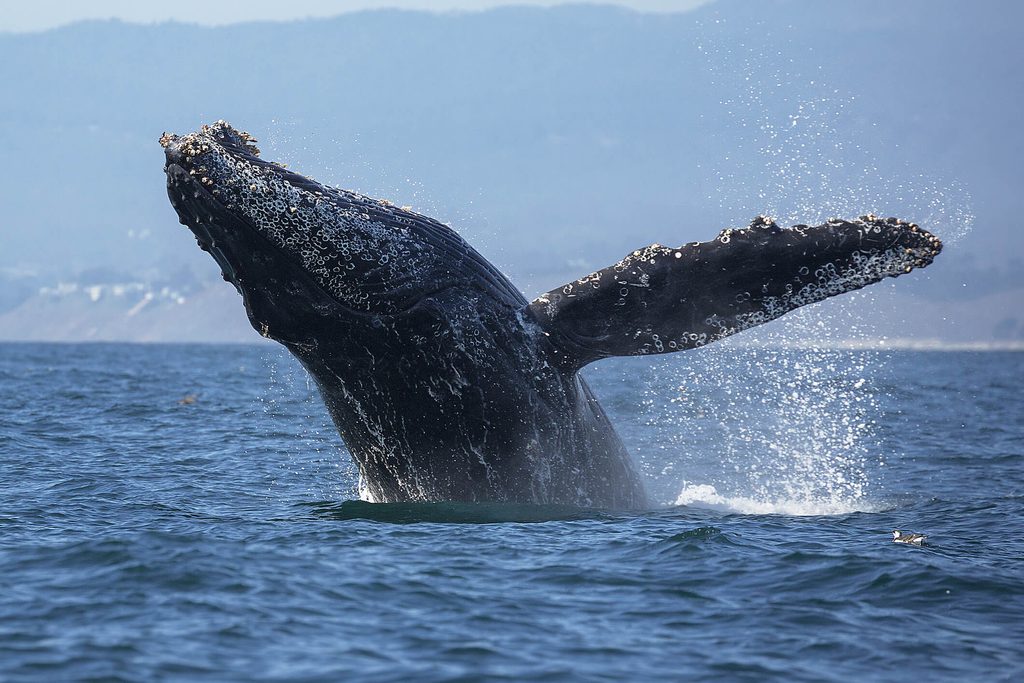
The mix of animals changes with the calendar, and a longer trip lets the captain chase whichever species is active that week. Throughout the year, guests on private trips may encounter humpback, blue, fin, gray, and minke whales, as well as sea lions, dolphins, and seabirds.
- Summer and early fall: prime time for offshore feeders. Blue whales feed where krill concentrates, often farther out, so longer trips shine during this stretch. Our blue whale season guide explains why.
- Winter and early spring: gray whale migration season. Grays hug the coast, so a shorter trip often covers them well; a longer trip is a good choice if you want to combine them with a wider search. See the gray whale migration guide for the timeline.
- Year-round: dolphins, which can show up in large groups in open water, plus sea lions and seabirds.
For the full year at a glance, our guide to the best time for whale watching in Dana Point lays out each season.
Is the Catalina Trip Right for You?
A seven-hour day is a bigger commitment than a two-hour outing, so it helps to be honest about who it suits.
It fits well if you want the widest possible search area, if a specific offshore species is high on your list, if you are celebrating something and want a full day on the water, or if you enjoy being out at sea and do not want the trip to end quickly. A shorter trip is the better choice if you are traveling with small children who tire quickly, if you are mainly hoping for coastal gray whales in winter, or if your schedule only allows a couple of hours.
Neither option is the “right” one in general. The right trip matches what you want to see and how long you want to be out.
How a Private Trip Changes the Day
Large public cruises to Catalina run on a set schedule with a set group. A private trip is built around your group instead: the pace, the pauses, and the decision about when to keep searching are shared with the captain, not dictated by a fixed itinerary. How the day is shaped, including how you want to balance time searching for wildlife with other parts of the trip, is something to settle with the captain when you book.
On a long day, it also helps that the experience is calm and uncrowded. If you want to know how a private trip unfolds from boarding to the ride home, our guide on what to expect on a private whale tour walks through it step by step.
Planning for a Long Day on the Water
A longer trip means more time in the wind, sun, and spray, so preparation matters more than on a short outing. Layers are the most important thing; our guide on what to wear on a whale watching tour in Dana Point covers clothing, footwear, sun protection, and what to do if you are prone to motion sickness. Also bring water, plan a sensible meal, and keep your phone or camera in a waterproof pouch.
When wildlife is found, responsible viewing rules apply no matter how long the trip is. NOAA Fisheries marine life viewing guidelines set the standard for how close boats should stay and how long they should remain with animals, and a good captain follows them every time.
Ready to Plan Your Catalina Trip?
If you want the widest search and a full day on the water, a Catalina trip is the one to ask about. If you are exploring private whale watching tours in Dana Point, Pacific Whale Tours Dana Point offers the seven-hour Catalina Island trip alongside shorter options, and you can reach out to the captain to talk through dates, your group, and what you most want to see.
Frequently Asked Questions
How long is a Catalina Island whale watching tour from Dana Point?
Our Catalina Island whale watching trip runs about seven hours, making it one of the longest private options alongside the five-hour long-range trip.
Can you see whales on the way to Catalina Island?
Yes. The open water between the coast and the island is where many offshore species feed and travel, so the crossing is part of the whale watching, not just transportation.
Is a Catalina whale watching trip the same as taking the ferry?
No. A ferry is point-to-point transportation. A private whale-watching trip focuses on searching for wildlife, led by a captain who follows live activity and sets the pace for your group.
When is the best time of year for Catalina whale watching?
Summer and early fall are especially strong for offshore species like blue whales, while winter brings gray whales along the coast. Dolphins are present year-round, so there is something to see in every season.
Is a Catalina trip worth it compared to a two-hour tour?
It depends on your goals. A longer trip gives the captain more range, which helps if you want a specific offshore species or a full day on the water. A shorter trip works well for coastal sightings, families with young children, or tighter schedules.