
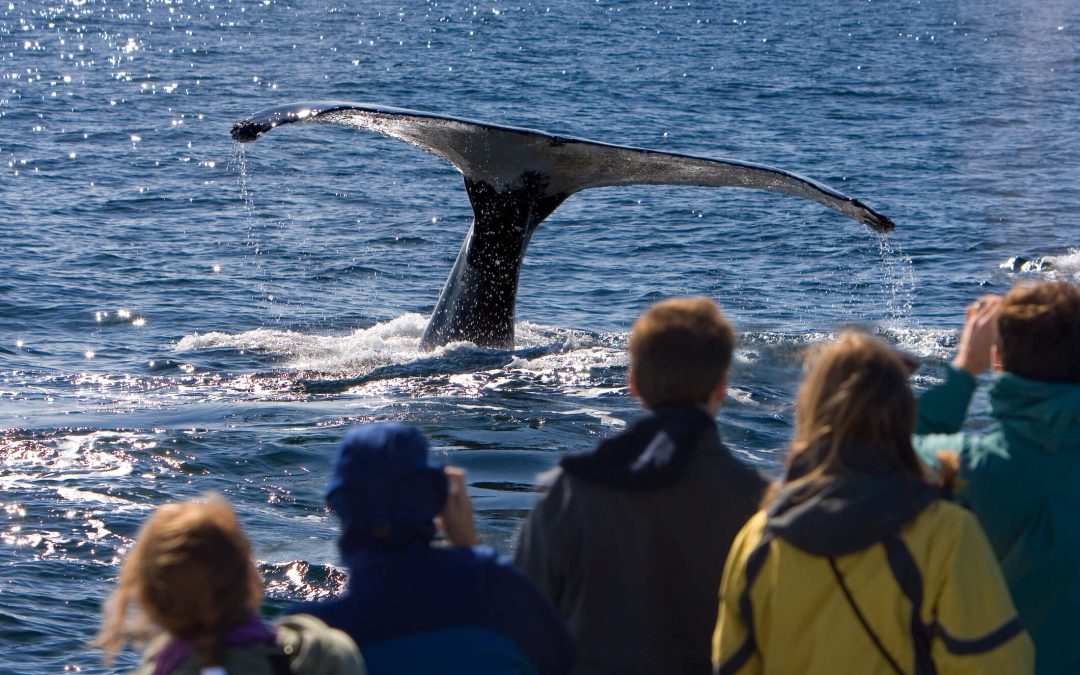
Almost everyone who shows up at Dana Point Harbor for a whale watching trip is dressed for the weather they can see: sun overhead, warm pavement, a light breeze coming off the water. That’s the weather at the dock. It is rarely the weather forty-five minutes later, once the boat has cleared the harbor mouth and opened up to cruise speed along the coastline, which is exactly the moment most of our guests at Pacific Whale Tours Dana Point realize they should have packed differently.
This gap between dock weather and ocean weather is the single biggest thing people get wrong, and it’s worth understanding before you get to the packing list itself.
The Dock Lies to You About the Weather
Ocean air temperature off Dana Point typically runs noticeably cooler than the air on land, often by something close to ten degrees, and that gap shows up the moment the boat leaves the protected harbor and picks up speed. Add wind moving across open water to a boat traveling at cruising speed, and the effective chill on deck is colder still than the air temperature alone would suggest. Water temperatures off Dana Point run roughly in the high 50s during winter and spring and the high 60s to low 70s during summer and early fall, which means even on a warm, sunny day, the spray coming off the bow is genuinely cold.
This matters more on our tours than it might on a larger, slower commercial vessel. Our boats, Njord and Fisker, are built for speed and open visibility rather than for shielding you from the elements: 360-degree walk-around viewing decks and a tower design that puts the captain, and you in a good position to spot wildlife from open air rather than through a window. That’s a real advantage for actually seeing whales and dolphins up close. It also means you’ll feel more wind and more of that ocean chill than you would standing at the rail of a much larger, glass-enclosed tour boat. Dress for the moving boat, not the dock.
The Layering System That Actually Works Out Here
Rather than a generic list of items, here’s how to think about it in three layers, the same logic that works for any outdoor activity where temperature and wind shift quickly:
- Base layer: something that won’t hold onto moisture. A breathable T-shirt or light long-sleeve shirt works well. Cotton is the one fabric to avoid here; it absorbs spray and sweat, stays wet and cold rather than drying out, which matters more on the water than on land.
- Mid layer: a packable layer you can add or remove. A fleece pullover or lightweight zip-up that you can put on once you clear the harbor and take off again if the sun comes out strong. The ability to adjust mid-trip matters more than any single “right” jacket, since conditions genuinely change between departure and the open coastline.
- Outer layer: a wind-resistant shell, ideally with a hood. This is the layer most people skip and regret skipping. A light windbreaker cuts the chill from boat speed and ocean wind dramatically more than an extra sweater would, because wind, not just cold air, is what actually gets you out here.
What Goes on Your Feet and Head
Closed-toe shoes with a non-slip sole are worth taking seriously, not as a formality but because wet, varnished decks and the occasional splash of spray make flip-flops and sandals a genuine slipping hazard once the boat is moving. A baseball cap or hat with a chin strap or tie is far more useful than a hat without one; an unsecured hat tends to end up in the ocean within the first twenty minutes of any boat ride that involves real speed, which ours does.
Sun Protection Deserves More Than a Mention
This is the part nearly every competing guide treats as an afterthought, and it shouldn’t be. UV exposure on open water is significantly more intense than the same sun feels on land, because sunlight reflects directly off the water’s surface in addition to coming from overhead. This holds even on overcast days, when the temptation to skip sunscreen is strongest, and the actual UV exposure often hasn’t dropped nearly as much as the gray sky suggests. According to EPA sun safety guidance, reflective surfaces like water intensify UV exposure compared to exposure on land under the same conditions. Apply sunscreen before you board, not once you’re already on the water, and reapply partway through a longer trip if you’re out for more than a couple of hours.
What to Bring, Beyond What to Wear
A few items consistently make the difference between a comfortable trip and an uncomfortable one:
- Polarized sunglasses, which cut glare off the water far more effectively than standard tinted lenses and make it genuinely easier to spot a fin or a fluke breaking the surface.
- A waterproof phone or camera pouch, since ocean spray finds its way onto deck more often than people expect.
- A reusable water bottle, since sun and wind on the water are dehydrating in ways that aren’t always obvious until you’re already feeling it.
If motion sensitivity is a concern for you or someone in your group, that’s worth planning for ahead of time rather than hoping it won’t be an issue. Taking an over-the-counter remedy 30 to 60 minutes before departure, as directed on the product’s label, tends to be far more effective than waiting until you’re already on the water and starting to feel unwell.
Dressing for the Season You’re Actually Traveling In
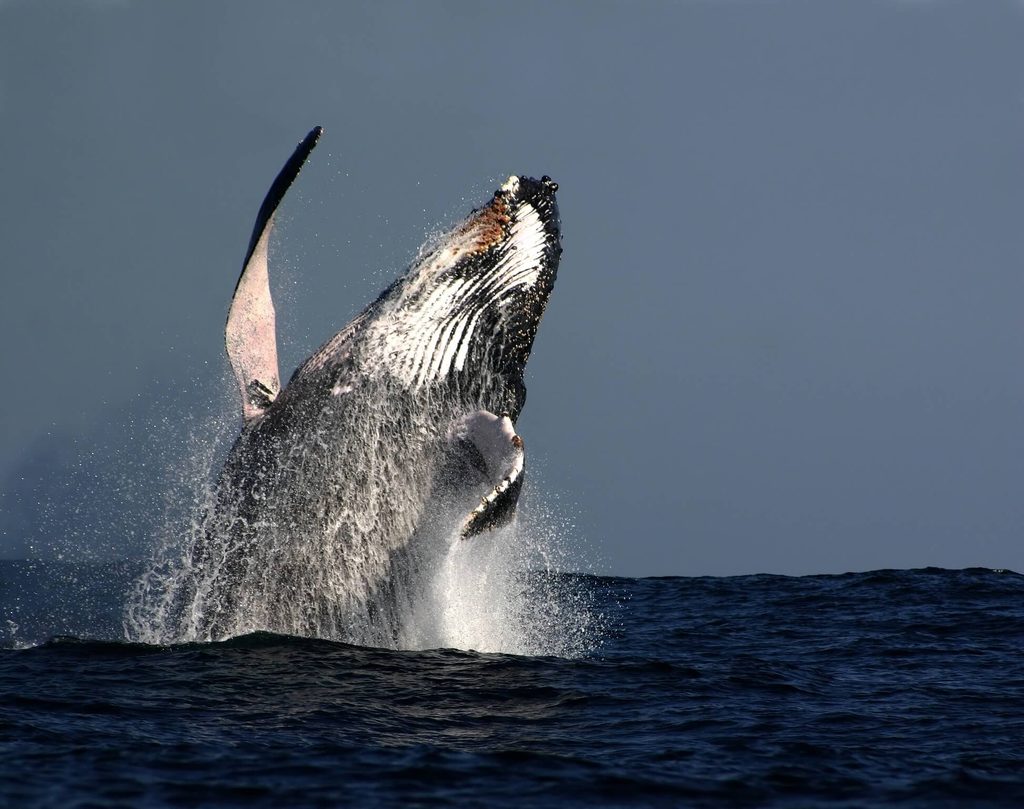
Winter and early spring trips, when gray whales are migrating through the area, call for the heaviest version of this layering system: a real windbreaker, a warmer mid-layer, and consideration of gloves if you tend to run cold. Summer and early fall trips, when you’re more likely to see blue whales and humpbacks alongside dolphins, still warrant the same layering logic, just with lighter individual pieces; the ocean breeze and boat speed create real chill even on a 90-degree day on land. The core principle doesn’t change with the season: dress in layers you can adjust, and don’t trust the temperature you feel standing at the dock.
Now that you know what to wear and bring, the next step is choosing the right trip. If you’re exploring private whale watching tours in Dana Point, Pacific Whale Tours Dana Point offers personalized experiences aboard fast, private vessels designed to maximize wildlife viewing opportunities along the Orange County coastline.
Frequently Asked Questions
Is it cold on a whale watching boat in Dana Point?
It’s typically cooler than it feels on the dock, often noticeably so once the boat is moving at speed along the open coastline. Ocean air runs cooler than land air, and wind generated by boat speed adds a real chill on top of that, even on a warm, sunny day. Dressing in layers is the most reliable way to stay comfortable regardless of how warm it feels before you board.
What shoes should I wear whale watching?
Closed-toe shoes with a non-slip sole are the safest choice. Wet decks and occasional spray make sandals and flip-flops a real slipping risk once the boat is underway, and closed shoes also protect your feet better if conditions get bouncier than expected.
Do I need sunscreen if it’s cloudy or overcast?
Yes. UV exposure on open water remains significant even on overcast days, in part because sunlight reflects off the water’s surface and passes through the clouds. Applying sunscreen before boarding and reapplying during longer trips is worth doing regardless of how sunny it looks that day.
Should I bring a jacket even in summer?
Yes, a light windbreaker is worth packing even on a warm summer day. Boat speed and ocean wind create a chill that has little to do with land air temperature, and a packable layer you can put on once you’re underway makes a noticeable difference in comfort.
What should I do if I get seasick easily?
Taking an over-the-counter motion sickness remedy roughly thirty to sixty minutes before departure, following the product’s labeling, is generally more effective than waiting until symptoms start. Staying toward the center of the boat and keeping your eyes on the horizon rather than on your phone or camera screen can also help during the ride.