
Whale Facts & Marine Life Information
Discover fascinating whale facts and learn about the marine life you may see while whale watching in Dana Point. Explore species, behavior, and migration patterns.
Whales You Can See In Dana Point
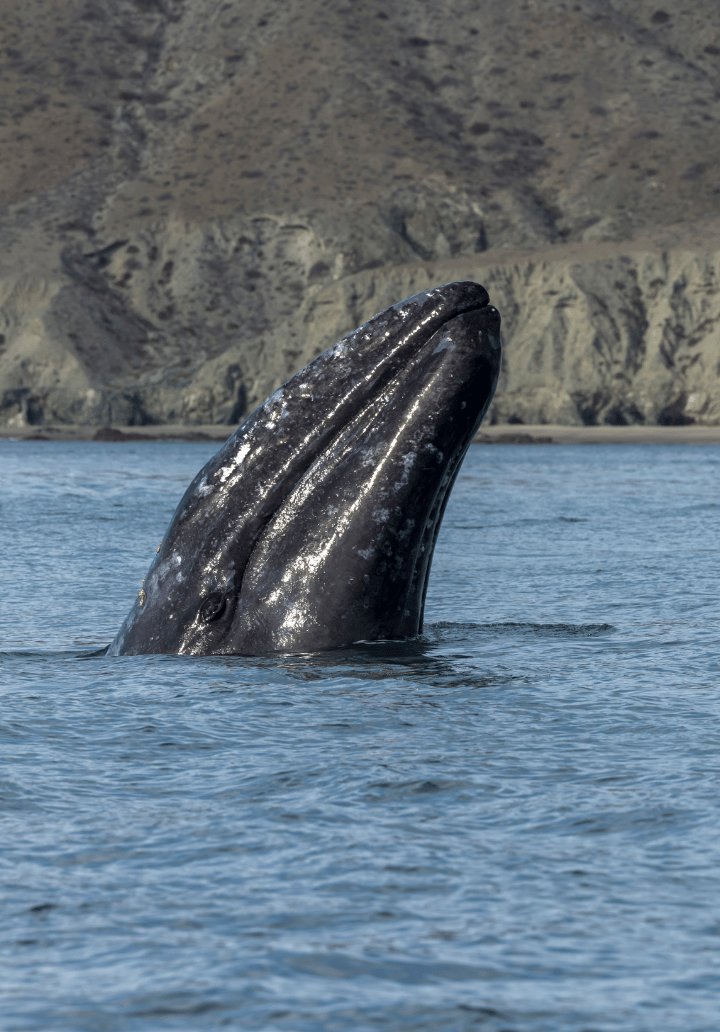
Gray Whale

Blue Whale
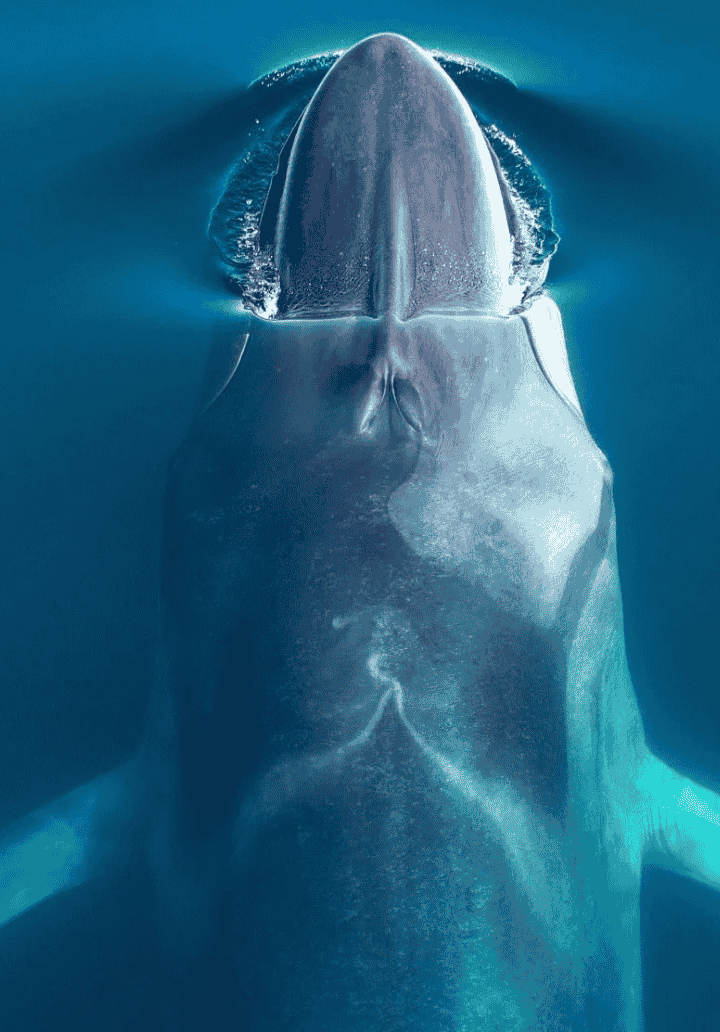
Fin Whale

Humpback Whale

Minke Whale

Sperm Whale
Dolphins you can see in Dana Point

Short-Beaked Common Dolphin

Bottlenose Dolphin

Risso Dolphin

Pacific White-Sided Dolphin

Killer Whales (technically Dolphin)
Whale Facts
Whales are some of the most fascinating creatures on Earth, and Dana Point is one of the best places to observe them in their natural habitat. From massive blue whales to migratory humpbacks, these waters offer a unique opportunity to learn about whale behavior, communication, and their important role in ocean ecosystems.
Whales Migrate Thousands of Miles Each Year
Many whale species migrate long distances between feeding and breeding grounds, with some traveling more than 10,000 miles annually worldwide.
Blue Whales Are the Largest Animals on Earth
Blue whales can exceed 100 feet in length and weigh up to 200 tons, making them the largest animals known.
Dana Point Is a Year-Round Whale Watching Destination
Dana Point’s deep offshore waters and active migration routes allow whale sightings year round, with different species appearing seasonally here.
Whales Communicate Using Complex Sounds
Whales communicate using clicks, whistles, and songs to navigate, locate food, and interact, with some sounds traveling miles underwater today.
Not All Whales Have Teeth and Hunt the Same Way
Many whales, including blue and humpback whales, use baleen instead of teeth to filter small fish and krill from water.
Whales Play a Really Vital Role in Ocean Health
Whales play a vital role in ocean health by supporting plankton growth, nutrient circulation, and balanced marine ecosystems worldwide globally.