
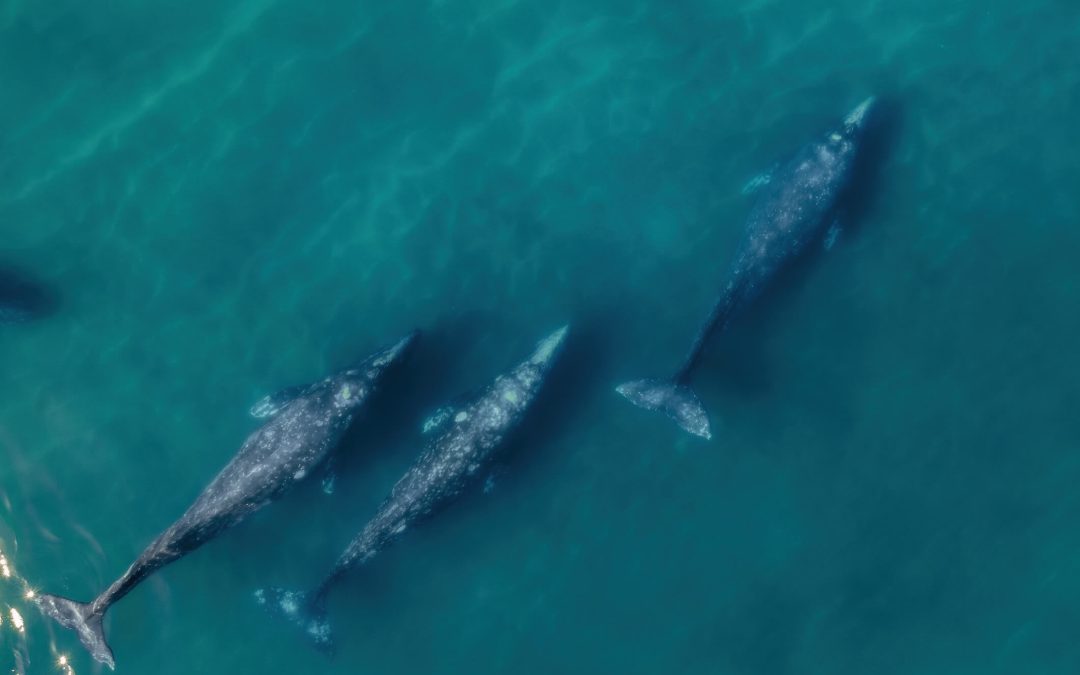
Every winter, thousands of gray whales pass within a few miles of Dana Point Harbor on one of the longest migrations of any mammal on Earth. If you are planning a trip around this migration, timing matters more than almost any other whale-watching decision you will make: which weeks you go and which tour length you book both change your odds of a close encounter.
At Pacific Whale Tours Dana Point, our captains track the migration closely all season, so this guide breaks the season into its real phases and tells you what each one means for planning a private trip.
The Gray Whale Migration Route
Gray whales complete a round trip of roughly 10,000 to 12,000 miles each year between summer feeding grounds in the Arctic and winter breeding lagoons in Baja California, Mexico. According to NOAA Fisheries, it is one of the longest annual migrations of any mammal species. That entire route runs along the California coastline, and Dana Point sits directly in the migration corridor, which is why sightings here are so consistent through the winter months.
The Migration Timeline, Phase by Phase
Late November to Mid-December: The Scouts
The migration typically opens with a smaller number of whales, often older males, moving south ahead of the main group. Sightings during this window can be quieter than peak season, but the whales are already following the same nearshore path they will use for the rest of the winter.
Mid-December to Late January: The Main Southbound Wave
This is peak migration volume. The bulk of the population, including pregnant females heading to the Baja lagoons to give birth, moves through in a concentrated window. On a strong day during this stretch, you may spot multiple whales in a single trip.
February to Mid-March: Cow and Calf Pairs Heading North
Once calves are born in the lagoons, mothers begin the return trip north with their young. These pairs tend to travel slower and closer to shore than the southbound adults, since staying in shallow water helps protect calves from predators. This phase often produces the most memorable sightings of the season.
Late March to April: Stragglers
By this point, the bulk of the migration has passed, but late travelers, usually mothers with young calves that needed extra time in the lagoons, continue moving through into April before sightings taper off for the year.
How Close Do Gray Whales Come to the Coast?
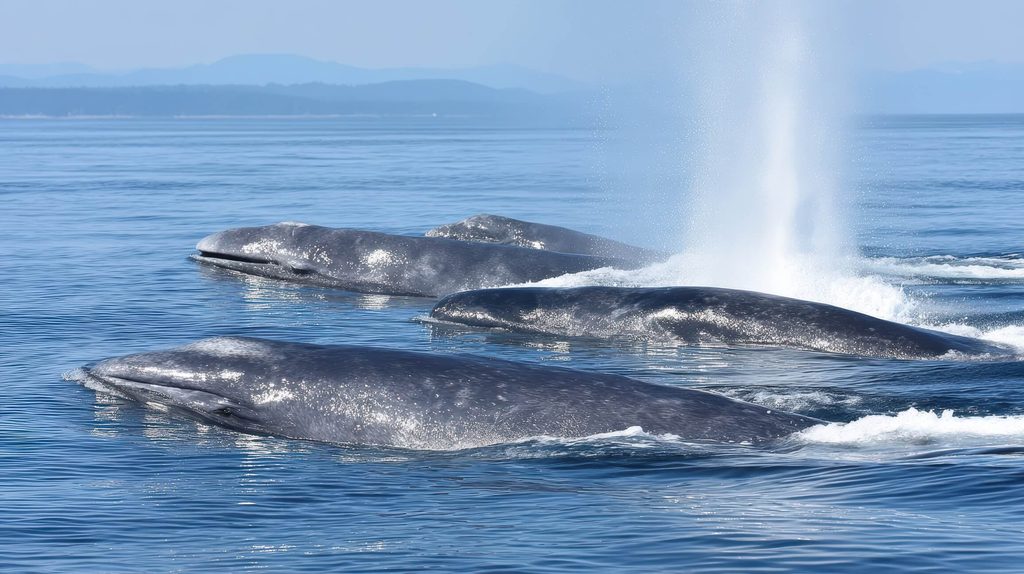
One of the reasons Dana Point draws so much attention during migration season is depth. Deep water sits close to shore here, so gray whales often travel within one to three miles of the coastline rather than staying miles out to sea. That proximity is part of what makes a standard trip effective during migration season without needing to travel far offshore.
Which Tour Length Fits Each Phase of the Migration
Because gray whales travel so close to the coast during their migration, our standard private whale watching tour covers the migration corridor well during most of the season, including the peak southbound wave in December and January.
A few situations call for a longer trip. If you are visiting during a slower window, such as the early scout phase in late November, more time on the water improves your odds. And if you want to combine gray whale season with a broader look at Dana Point’s marine life, including dolphins and sea lions along the way, our extended and long-range trips give the captain more room to work with current sightings and conditions before committing to a shorter route.
Frequently Asked Questions
When does gray whale season start in Dana Point?
The migration typically begins in late November with early scout whales, builds through December, and peaks from late December through January.
What is the best month to see gray whale calves?
February and March are the strongest months for cow and calf sightings, as mothers bring their young north from the Baja lagoons and tend to travel closer to shore.
Can you see gray whales on a standard 2-hour tour?
Yes. Gray whales travel close to the coastline during their migration, often within one to three miles of shore, which puts them well within range of a standard private tour during most of the season.
How long does gray whale season last?
Sightings generally run from late November through April, with the heaviest activity concentrated between December and March.
Ready to See the Gray Whale Migration Up Close?
Every phase of the migration offers a different kind of sighting, from the first scout whales in late November to the mothers and calves passing through in early spring. Whichever window fits your trip, our captains watch the migration daily and know where the whales are moving that week. Message the captain to talk through timing and find the tour that gives you the best shot at seeing them.